When you set out to Create a Keller Calendar That Actually Works for You, the goal isn’t just another wall planner; it’s a strategic system that aligns daily actions with long‑term goals. By structuring time into focused blocks, incorporating review cycles, and customizing visual cues, the Keller method can turn vague intentions into measurable progress—provided you build it with the right habits and tools.
What makes a Keller calendar different from a typical planner?
The Keller calendar emphasizes three core principles: time blocking, weekly reviews, and goal integration. Unlike month‑at‑a‑glance sheets that merely list appointments, each day is divided into 30‑minute segments dedicated to specific tasks, personal development, or buffer periods. This granular approach reduces decision fatigue because you’re never asking, “What should I do next?” you’re simply following the pre‑set blocks.
How should you set up the time‑blocking framework?
Start by mapping out your recurring obligations—work hours, commute, meals, and sleep. Allocate these as immutable blocks. Next, slot high‑impact activities such as deep work, project milestones, or skill practice into the remaining windows, prioritizing the morning hours when focus peaks for most people. Finally, sprinkle in “flex” blocks of 15‑30 minutes to absorb overruns or unexpected tasks.
- Identify core rhythms: Use a notebook or digital spreadsheet to list daily constants for a week.
- Assign priority tiers: Tag each block as A (critical), B (important), or C (optional) to guide real‑time adjustments.
- Reserve review time: A 20‑minute slot on Sunday evening serves as a checkpoint for the upcoming week.
Which tools best support a functional Keller calendar?
Both analog and digital solutions can serve, but consistency is the deciding factor. A large‑format wall calendar (e.g., 24‑inch by 36‑inch) offers immediate visual feedback, while a cloud‑based app like Google Calendar ensures portability and automatic reminders. If you prefer tactile interaction, a dry‑erase board combined with color‑coded markers can replicate the visual hierarchy without the clutter of paper pages.
When selecting a tool, verify that it supports:
- Customizable time intervals (30‑minute or 15‑minute increments).
- Easy duplication of weekly patterns.
- Quick annotation of completed versus pending tasks.
What habits guarantee the calendar stays functional?
Implementation falters most often at the execution stage. To combat this, embed two micro‑rituals: a “morning kickoff” where you scan the day’s blocks and a “evening wind‑down” that marks completed items and migrates unfinished ones. Over time, these rituals become cues that trigger the brain to respect the calendar’s structure.
Another practical habit is the “two‑minute rule”: if a task fits within a 2‑minute slot, place it in a flex block rather than creating a new entry. This keeps the calendar uncluttered and prevents over‑scheduling.
What measurable impact can you expect?
Researchers studying time‑blocking report a 20‑30 % increase in task completion rates when participants adhered to a structured calendar for at least three months. For a detail‑oriented researcher, the Keller approach also yields clearer data on where time drains occur, enabling precise adjustments. By aligning daily actions with quarterly objectives, you can trace progress in a way that standard planners rarely facilitate.
How do you maintain flexibility without derailing the system?
Flexibility is built into the design through buffer blocks and the weekly review. During the Sunday checkpoint, assess any recurring overrun patterns—such as meetings spilling into deep‑work periods—and reallocate time accordingly. This iterative refinement prevents the calendar from becoming a rigid schedule that penalizes unforeseen events.
What’s the next concrete step?
Choose a medium (wall board or digital app), draft a one‑week prototype applying the three‑principle framework, and commit to the two micro‑rituals for seven consecutive days. After this trial, compare the number of tasks completed versus a week without a Keller calendar. The data will reveal whether the system truly “works for you” and where tweaks are needed.
Pack Bonecos Liga Mistério: Xinglau + Sandega 25cm - MegaPrendas.com
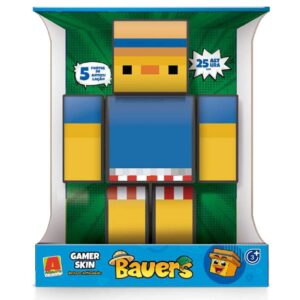
Pack bonecos Liga Mistério: Xinglau + Sandega 25cm - MegaPrendas.com
Xing Lau ☠️ #shorts #liga Mistério - YouTube

Xing Lau ☠️ #shorts #liga mistério - YouTube
COMO XINGLAU E SANDEGA VIRARAM MELHORES AMIGOS??? - YouTube

COMO XINGLAU E SANDEGA VIRARAM MELHORES AMIGOS??? - YouTube
Liga Mistério Dá Dark Web Xingue Lau Sandega Jumbra Scooby Bruna

Liga mistério Dá Dark web Xingue Lau Sandega Jumbra Scooby Bruna ...
E SE XINGLAU E SANDEGA NÃO FOSSEM AMIGOS? - YouTube

E SE XINGLAU E SANDEGA NÃO FOSSEM AMIGOS? - YouTube