The Body Mass Index (BMI) is a widely accepted measure of body fat based on a person's height and weight. A BMI calculator online or a BMI chart can help individuals determine their BMI category, from underweight to obese. Understanding your BMI can be a crucial step in achieving weight management success. However, interpreting BMI results can be challenging, especially for those new to the concept.
What is BMI, and Why is it Important?
BMI is a simple calculation that involves dividing a person's weight in kilograms by the square of their height in meters. This calculation provides an estimate of the person's body mass in relation to their height. BMI categories are generally defined as underweight (less than 18.5), normal weight (18.5-24.9), overweight (25-29.9), and obese (30 or higher).

Using a BMI chart or BMI calculator online can help you determine your BMI category with ease. BMI alone may not give you a complete picture of your health, but it serves as a useful indicator for weight-related health risks. Maintaining a healthy BMI can lower the risk of chronic diseases, such as diabetes, heart disease, and certain types of cancer.
Interpreting BMI Categories
While BMI provides a general indication of weight status, it is essential to understand the differences between the various categories. For instance, someone with a high muscle mass may have a high BMI without being considered overweight or obese. On the other hand, athletes or individuals with a high bone density may have a BMI that is underweight or normal, despite having a healthy percentage of body fat.
- Underweight (BMI < 18.5): May indicate malnutrition, a medical condition, or excessive physical demands.
- Normal weight (BMI = 18.5-24.9): Is generally considered healthy, but individuals may still have excess fat around the waist, arms, or legs.
- Overweight (BMI = 25-29.9): Increases the risk of health problems, and some individuals may have a high risk of developing chronic diseases.
- Obese (BMI ≥ 30): Significantly increases the risk of developing chronic diseases, such as diabetes and cardiovascular disease.
Using BMI for Weight Management Success
BMI is a useful tool for weight management, but it should be used alongside other health metrics, such as body fat percentage, waist circumference, and overall health indicators. Aiming for a healthy BMI range, while maintaining muscle mass, can help individuals achieve weight management success. Regular physical activity, a balanced diet, and maintaining good health habits, such as regular exercise and adequate sleep, are all essential for achieving a healthy weight and BMI.
Body Mass Index Chart, Digital Download PDF, Height And Weight, Body
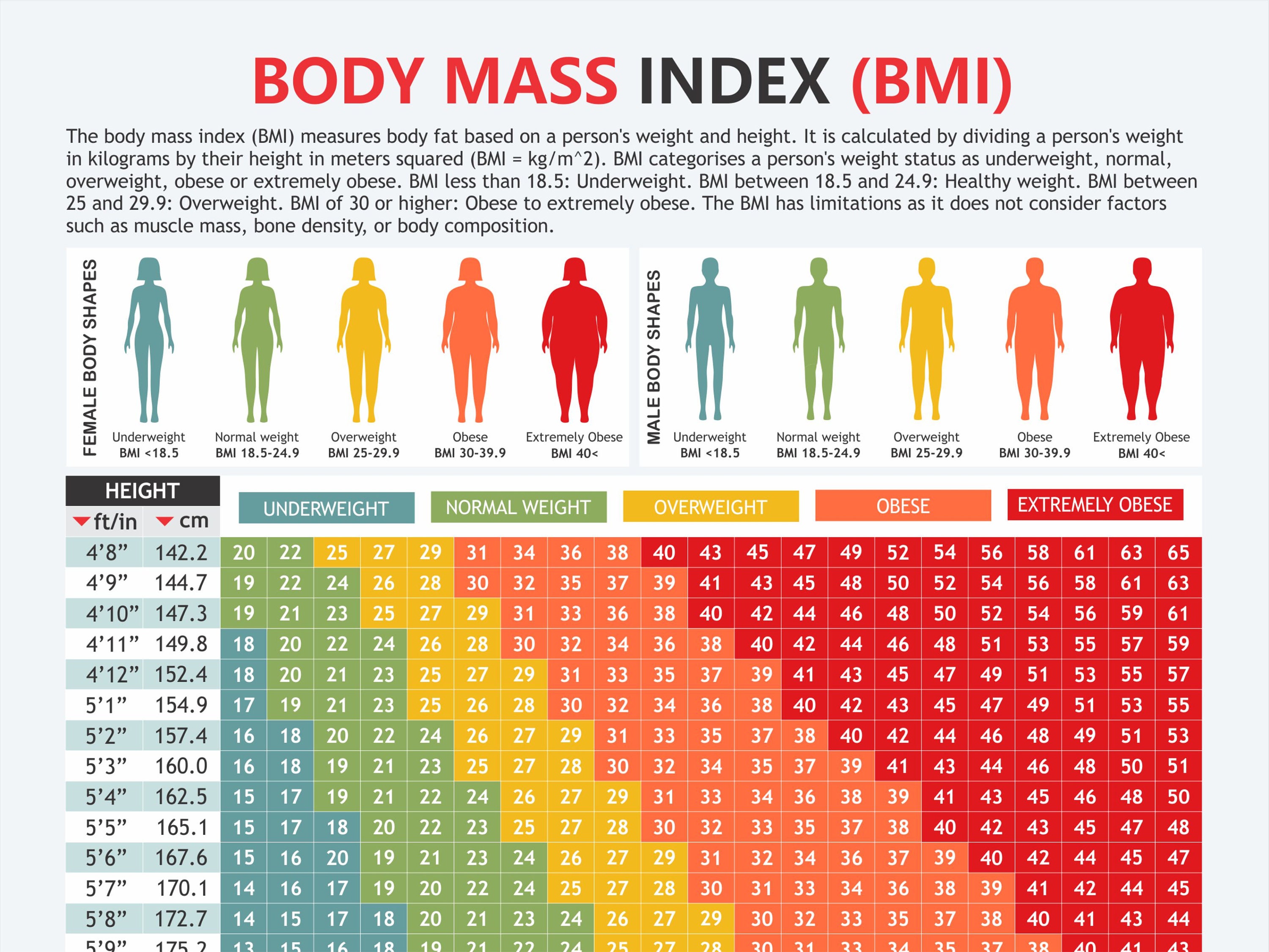
Body Mass Index Chart, Digital Download PDF, Height and Weight, Body ...
Body Mass Index Vs. Body Fat Percentage: Only One Of Them Actually
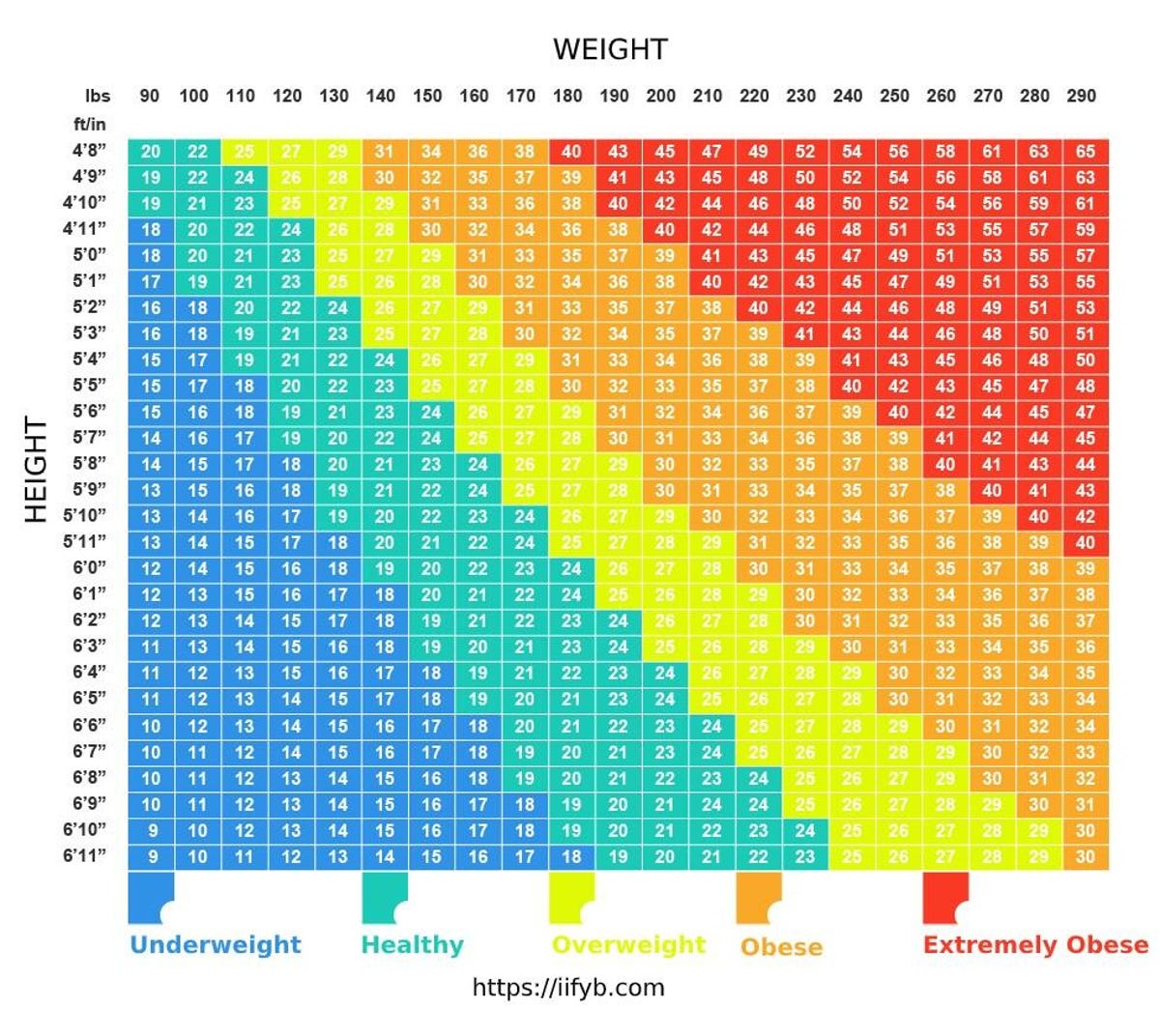
Body mass index vs. body fat percentage: Only one of them actually ...
Body Mass Index Age Chart – How To Measure My Bmi – TFSGHK
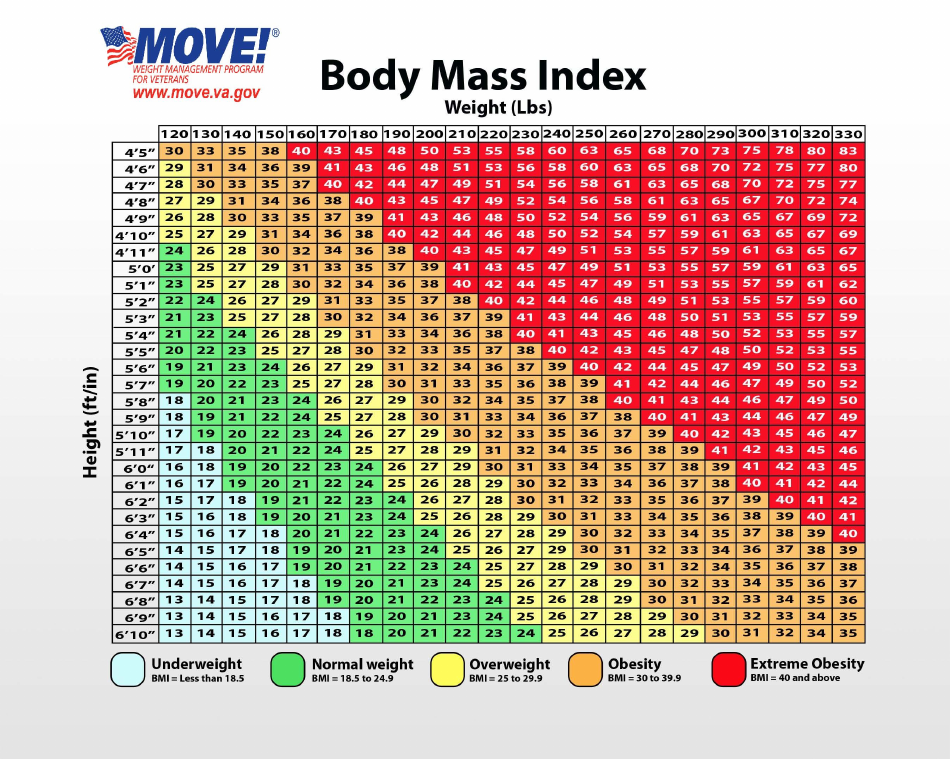
Body Mass Index Age Chart – How To Measure My Bmi – TFSGHK
Bmi Classification Chart At Steve Mercado Blog
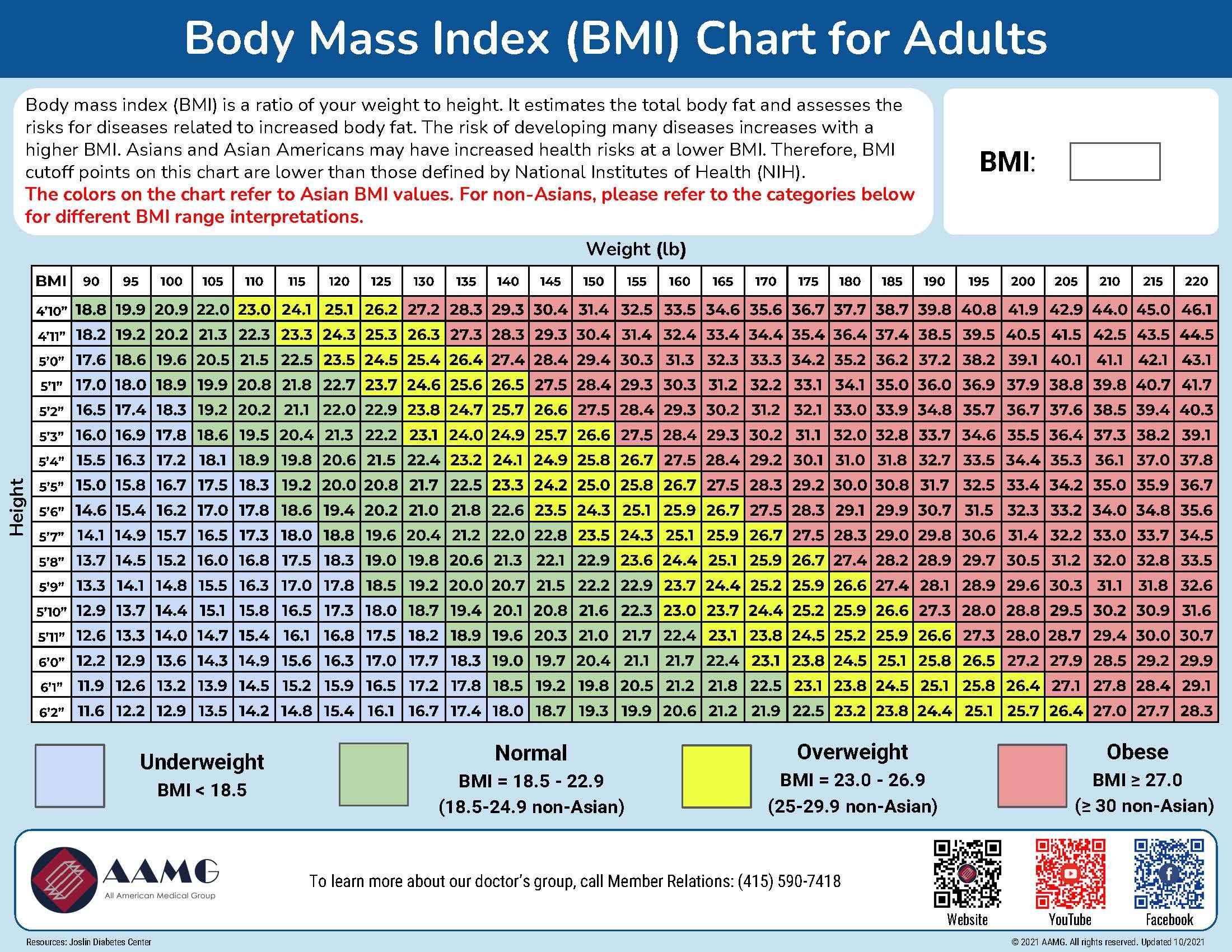
Bmi Classification Chart at Steve Mercado blog