The National Collegiate Athletic Association (NCAA) March Madness brings excitement and challenges for basketball enthusiasts and office pool participants alike. With millions of potential combinations, navigating the world of NCAA basketball bracket predictions can be daunting. This guide aims to distill expert strategies into actionable advice for creating a winning NCAA printable bracket.
Understanding NCAA March Madness
March Madness, the annual NCAA Men's Division I Basketball Championship, involves 68 college basketball teams competing in a single-elimination tournament. The bracket consists of four rounds: the first round (Round of 64), the second round (Round of 32), the Sweet 16, and the Elite Eight. The Final Four decides the last two teams standing, ultimately determining the national champion.
Choosing the Right Teams
While predicting individual game winners may seem daunting, understanding the strengths and weaknesses of each team can improve your bracket's chances. Consider factors such as team defense, offense, recent performance, and head-to-head matchups. Don't rely solely on the top-seeded teams, as Cinderella stories often occur in the NCAA tournament.

Smart Picks and Common Mistakes
Many bracket enthusiasts fall into the trap of choosing teams solely based on name recognition or media expectations. Avoid relying on hype-driven picks and instead focus on team performance, statistics, and recent trends. Be cautious of 'lock' games, where top-seeded teams are often expected to win, and take into account factors like fatigue, injuries, and mental states.
- Roll with the underdogs: Look for teams that are often overlooked, such as those with a strong defense or a recent win streak.
- Watch for fatigue: Teams often underperform after long road trips or grueling match-ups.
- Be cautious of injuries: Key players can greatly impact a team's chances.
Evaluating Advanced Metrics
Advanced statistics can help you make more informed decisions when filling out your bracket. Consider metrics like:
- Effective field goal percentage (eFG%): Measures shooting efficiency, including 2-point and 3-point field goals.
- Turnover rate: A key factor in determining team performance.
- Rebound margin: Analyzes a team's ability to secure rebounds.
- Schedule strength: Weighs the competitiveness of a team's schedule.
Creating a Winning Bracket Strategy
While predicting individual games is challenging, having a well-organized strategy can greatly improve your chances of success. Consider the following approaches:
Pick a few 'locks.'
Choose the top four or five teams in the tournament (e.g., the No. 1 seeds) and have them advance as far as possible. This approach reduces risk and maintains a baseline level of expected performance.Focus on a core group of teams.
Select a handful of teams that have a realistic chance of advancing deep in the tournament. This might include mid-seeds, under-the-radar teams, or squads with exceptional defense or offense.Tailor your picks to your preferences.
Play to your strengths and preferences. Choose your favorite teams and follow your intuition when selecting the winners and losers of specific match-ups.Remember, filling out an NCAA printable bracket is as much about entertainment as it is about winning. Combine strategy with fun and focus on making informed decisions to improve your chances of success.
Ultimate Frisbee Disc

Ultimate Frisbee Disc
HUAWEI WATCH Ultimate 2 - HUAWEI Hrvatska
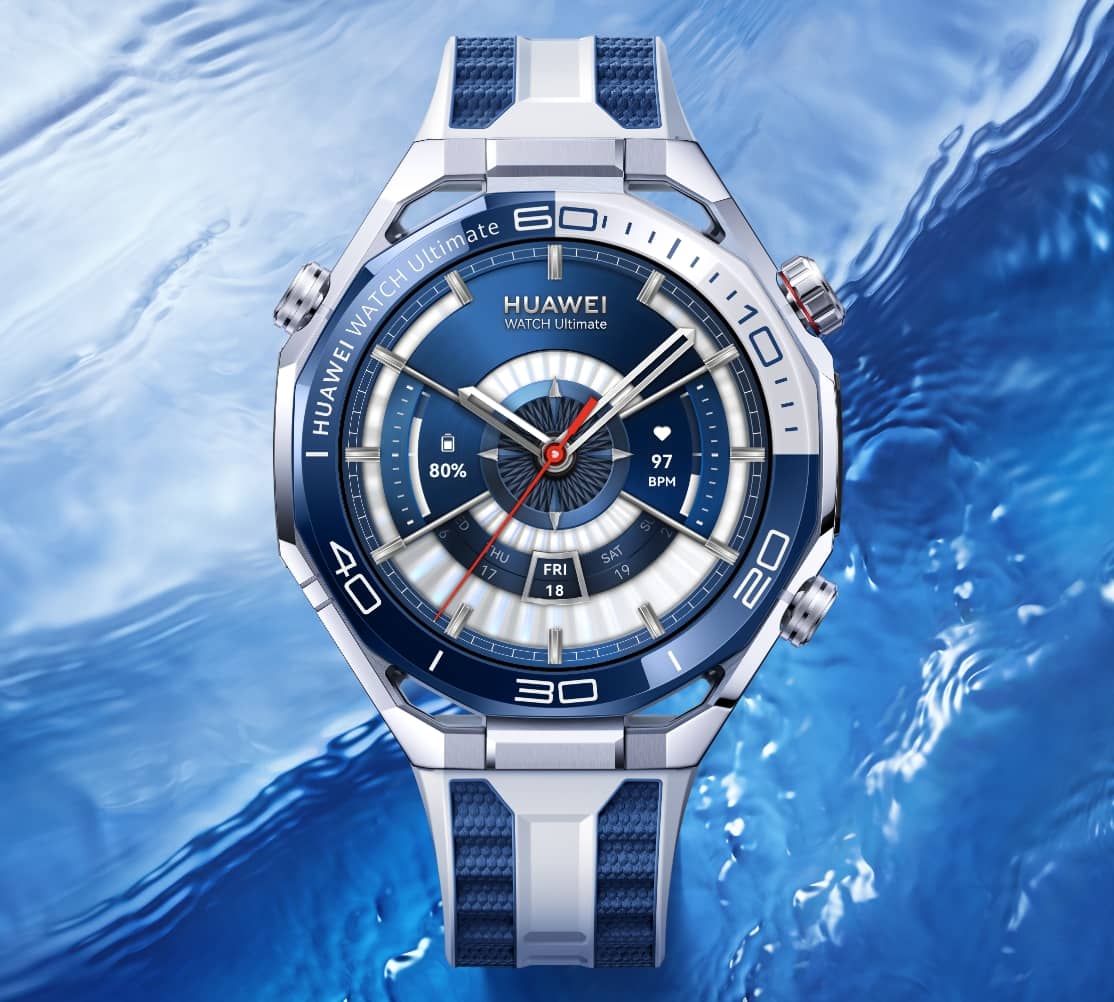
HUAWEI WATCH Ultimate 2 - HUAWEI Hrvatska
Jonathan Hickman And Bryan Hitch Team Up For New Ultimate Marvel Comic
:max_bytes(150000):strip_icc()/Ultimate-Invasion-022123-04-90bd12d1babc465188d46affac58053a.jpg)
Jonathan Hickman and Bryan Hitch team up for new Ultimate Marvel comic
Ultimate UltraStar Disc – Over The Top Disc Golf

Ultimate UltraStar Disc – Over The Top Disc Golf
Ultimate Frisbee Disc

Ultimate Frisbee Disc