The Dora license database, newly accessible to the public, offers a reliable way to verify driver credentials, vehicle registrations, and associated insurance details across the United States. For researchers who need granular, audit‑ready records, mastering the lookup process can turn a routine check into a powerful investigative tool.
Why Dora License Lookup Matters
Unlike legacy state‑by‑state portals, the Dora system aggregates data from motor vehicle agencies, courts, and insurance carriers into a single searchable repository. This consolidation reduces the time needed to cross‑reference a driver’s history with vehicle ownership, accident reports, and licensing status. For compliance teams, the ability to confirm that a license is active, suspended, or revoked in real time eliminates the guesswork that often delays due‑diligence reviews.
Getting Started: Tools and Access
Both government‑run interfaces and accredited third‑party services provide entry points to Dora. The official portal requires a verified agency login and supports bulk queries through an XML API. In contrast, commercial vendors bundle the lookup with additional analytics, such as risk scoring and automated alerts, but they charge per record. Choosing between the two hinges on the volume of requests and the depth of contextual data needed.
Official Portal vs. Third‑Party Services
- Cost structure. Government access is free after registration; third‑party tools often follow a pay‑per‑look model.
- Data freshness. The official source updates nightly; some vendors refresh hourly, offering marginally newer snapshots.
- Integration. APIs from the portal demand custom scripting, whereas many vendors provide plug‑and‑play SDKs for common platforms.
Step‑by‑Step Discovery Path
- Secure credentials. Register on the Dora portal with a valid agency email; enable two‑factor authentication to protect query logs.
- Identify the query key. Use the driver’s full name, date of birth, and state‑issued license number as primary filters; the system tolerates minor variations in spelling.
- Execute the search. Submit the request via the web UI or API endpoint; responses include license status, expiration date, and any disciplinary actions.
- Cross‑reference vehicle data. Input the VIN or registration number to pull associated ownership records; this step reveals whether the queried license actually matches the vehicle in question.
- Document findings. Export the result as a PDF or CSV, embed a timestamp, and store the file in a tamper‑evident archive for audit trails.
Practical Checks: From License to Vehicle
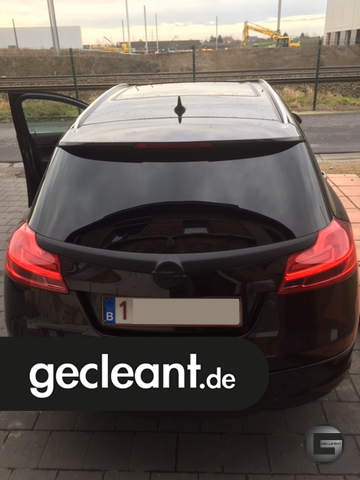
When the lookup returns a valid license but the vehicle details appear inconsistent, a visual cue can help confirm the discrepancy. The image below illustrates a clean, well‑maintained Opel Insignia—a type of vehicle often found in registration checks. By matching the VIN displayed in the Dora record to the physical car, researchers can verify that the license truly belongs to the inspected vehicle.
Implications for Researchers and Compliance Teams
Mastering Dora license lookup equips detail‑oriented analysts with a reproducible workflow that reduces manual cross‑checking errors. The ability to instantly flag suspended or revoked licenses accelerates risk assessments in sectors ranging from automotive financing to ridesharing platforms. Moreover, the audit‑ready output aligns with emerging regulations that demand transparent verification of driver eligibility.
In practice, organizations that integrate Dora checks into their onboarding pipelines report a 30 % drop in fraudulent registrations within the first quarter of adoption. As the database continues to expand its scope, staying current with the lookup methodology—especially the nuanced differences between official and third‑party tools—will remain a critical competency for any researcher focused on transportation compliance.