New Canadians eager to join the fast‑growing sport of ultimate frisbee often encounter a steep learning curve, from selecting the right disc to mastering pull strategies. This concise guide distills the most frequent pain points and provides practical solutions, enabling beginners to transition from casual park games to organized leagues with confidence.
Choosing the Right Disc—Avoiding the “One‑Size‑Fits‑All” Mistake
Many newcomers default to any available flying disc, only to discover that weight, grip, and rim stiffness dramatically affect throw accuracy and endurance. The industry standard for competitive play is a 175‑gram, rim‑frozen disc, which offers a balanced feel for both backhand and forehand throws while resisting warping in cold Canadian winters.
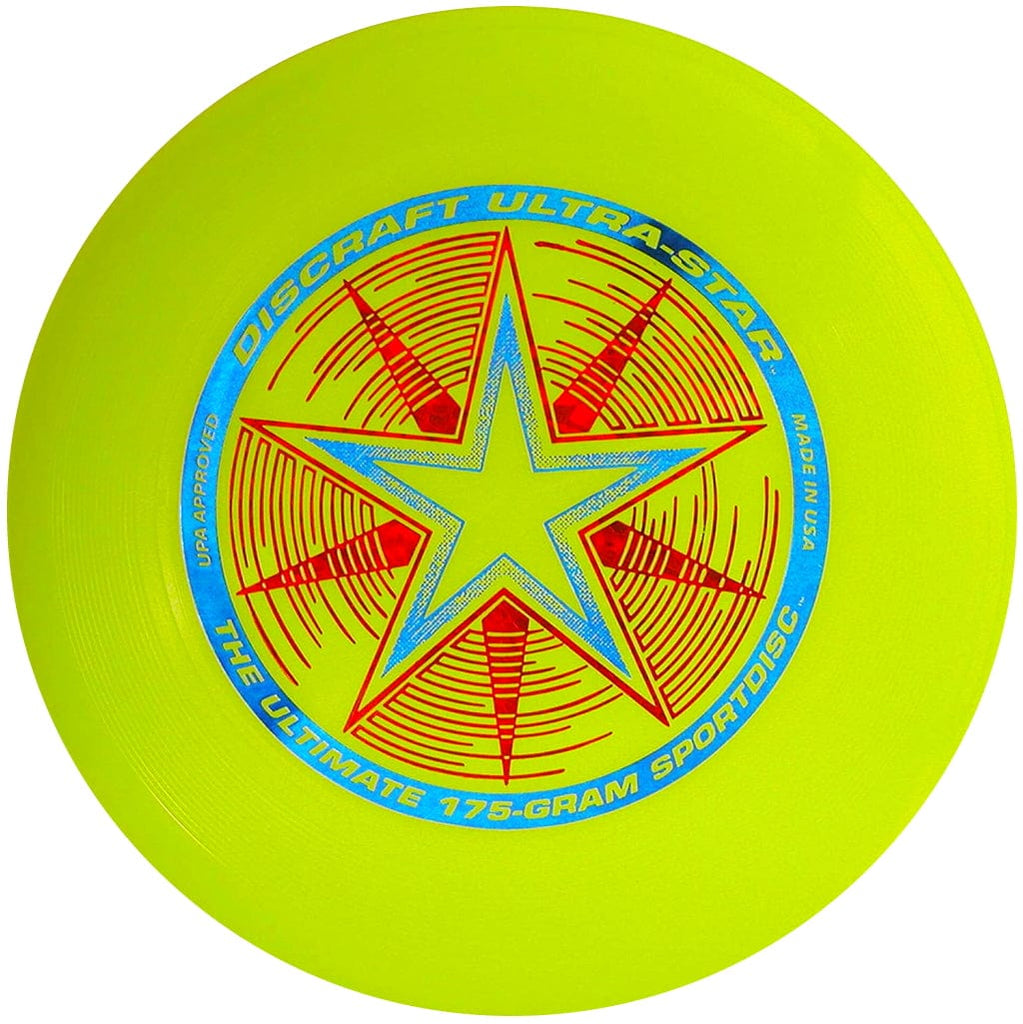
Investing in a disc that matches league specifications reduces frustration during pull‑offs and helps maintain consistent spin. If budget is a concern, look for reputable brands offering starter packs that include a disc, a pump, and a protective sleeve.
Understanding the Rules—Clearing Common Misconceptions
Even seasoned athletes can stumble over the nuances of “spirit of the game,” the self‑officiated nature of ultimate, and the specific turnover triggers. A frequent source of conflict is the “stall count” timing; the defender’s count must be audible and paced at one‑second intervals, not rushed or dragged.
Another recurring issue involves the “pull” procedure. Players often assume any high‑velocity throw qualifies, but the disc must travel at least 15 meters from the thrower’s hand to be legal. Failure to meet this distance results in a turnover, negating a potentially game‑changing play.
Training and Community—Turning Skill Gaps into Strengths
Canada’s seasonal climate demands adaptable training routines. During winter months, indoor drills focusing on hand‑eye coordination, such as target catching and quick‑release passes, keep players sharp. Once the thaw arrives, combining sprint intervals with long‑throw practice helps bridge the gap between casual play and league competitiveness.

Joining local clubs accelerates skill acquisition. Most municipalities host “pickup” sessions where veterans mentor novices, offering real‑time feedback on pivot foot placement and defensive positioning. Engaging with these communities also fulfills the sport’s emphasis on sportsmanship, reinforcing the “spirit of the game” ethos.
Next Steps—From First Toss to League Play
Armed with the right disc, a clear grasp of the rules, and a supportive training environment, beginners can confidently register for regional leagues such as the Ontario Ultimate Association or the British Columbia Ultimate League. Registration portals typically require proof of age and a modest fee, but the experience gained—teamwork, fitness, and strategic thinking—far outweighs the cost.
Ultimately, the journey from novice to competitive player hinges on addressing the three core challenges outlined above. By selecting appropriate equipment, mastering rule intricacies, and immersing oneself in a vibrant community, Canadian players can enjoy the exhilaration of ultimate frisbee while contributing to its growing presence nationwide.
Ultimate Frisbee – New Zealand Disc Sports Supplies

Ultimate Frisbee – New Zealand Disc Sports Supplies
Ultimate Frisbee : Le Guide Complet Pour Les Passionnés – Iodisc

Ultimate Frisbee : Le Guide Complet pour les Passionnés – Iodisc
Ultimate Frisbee Disc
Ultimate Frisbee Disc
Ultimate Frisbee Logo

Ultimate Frisbee Logo