Homeostasis, the body’s ability to maintain internal stability despite external changes, is a cornerstone of health that many busy readers overlook. This guide breaks down the essential parameters—temperature, pH, blood glucose, and electrolyte balance—into a clear, actionable roadmap, helping newcomers grasp why each variable matters and how to monitor it without getting lost in jargon.
Why Homeostasis Matters: The Big Picture
At its core, homeostasis is the body’s self‑regulating system, keeping conditions within narrow limits that enable enzymes and cells to function optim to. Disruptions can trigger fatigue, dehydration, or more serious conditions like metabolic syndrome. Understanding the parameters that define this balance equips you to spot early signs of imbalance and take preventive steps before a minor deviation becomes a health issue.
Key Parameters Explained
- Body Temperature – Normal core temperature hovers around 36.5‑37.5 °C (97.7‑99.5 °F). Fever or hypothermia indicate the thermostat in the hypothalamus is signaling a problem.
- Blood pH – A tightly regulated range of 7.35‑7.45 keeps metabolic reactions running smoothly. Shifts toward acidity or alkalinity can affect breathing and kidney function.
- Glucose Levels – Fasting blood sugar should stay between 70‑99 mg/dL. Spikes after meals or prolonged lows hint at insulin dynamics that need attention.
- Electrolyte Balance – Sodium, potassium, and calcium concentrations govern nerve impulses and muscle contraction. Imbalances often surface as cramps, arrhythmias, or confusion.
Step‑by‑Step Guide to Monitoring Homeostatic Parameters
- Choose the Right Tools – A digital thermometer, a home glucose meter, and a basic electrolyte test strip kit are inexpensive and accurate enough for everyday tracking.
- Establish Baselines – Record each measurement at the same time of day for a week. Consistent baselines reveal your personal “normal” and make deviations obvious.
- Log Data Systematically – Use a simple spreadsheet or health‑app to note values, date, and any relevant factors (e.g., meals, stress, exercise). Patterns emerge faster when data is organized.
- Interpret Trends, Not Isolated Numbers – A single temperature reading of 38 °C may be a harmless post‑workout rise. Repeated readings above 38.5 °C suggest infection or regulation issues.
- Take Corrective Action – For elevated glucose, adjust carbohydrate intake or increase short walks. Low electrolyte levels may require a balanced electrolyte drink rather than plain water.
- Consult Professionals When Needed – Persistent anomalies—such as fasting glucose over 126 mg/dL or pH drift below 7.35—warrant medical evaluation.
Practical Implications: Turning Knowledge Into Everyday Benefits
Armed with a step‑by‑step framework, busy readers can integrate homeostatic monitoring into routine activities without sacrificing time. For instance, checking temperature after a shift at a construction site, or using a glucose meter before a late‑night snack, adds only a few minutes but yields insight that can prevent burnout. Regularly reviewing logged data also helps you fine‑tune lifestyle choices—like timing workouts to avoid overheating or planning meals that stabilize blood sugar.
Recommendation: Adopt a Minimalist Monitoring Routine
Start with one or two parameters most relevant to your daily challenges—temperature for outdoor workers, glucose for those prone to energy crashes. Once comfortable, expand to pH or electrolytes. The key is consistency, not exhaustive testing. By embedding these checks into existing habits, you maintain the body’s equilibrium and gain a clearer sense of when to adjust nutrition, hydration, or stress‑management strategies.
Automate Your Activities Using Marketing Automation Tool
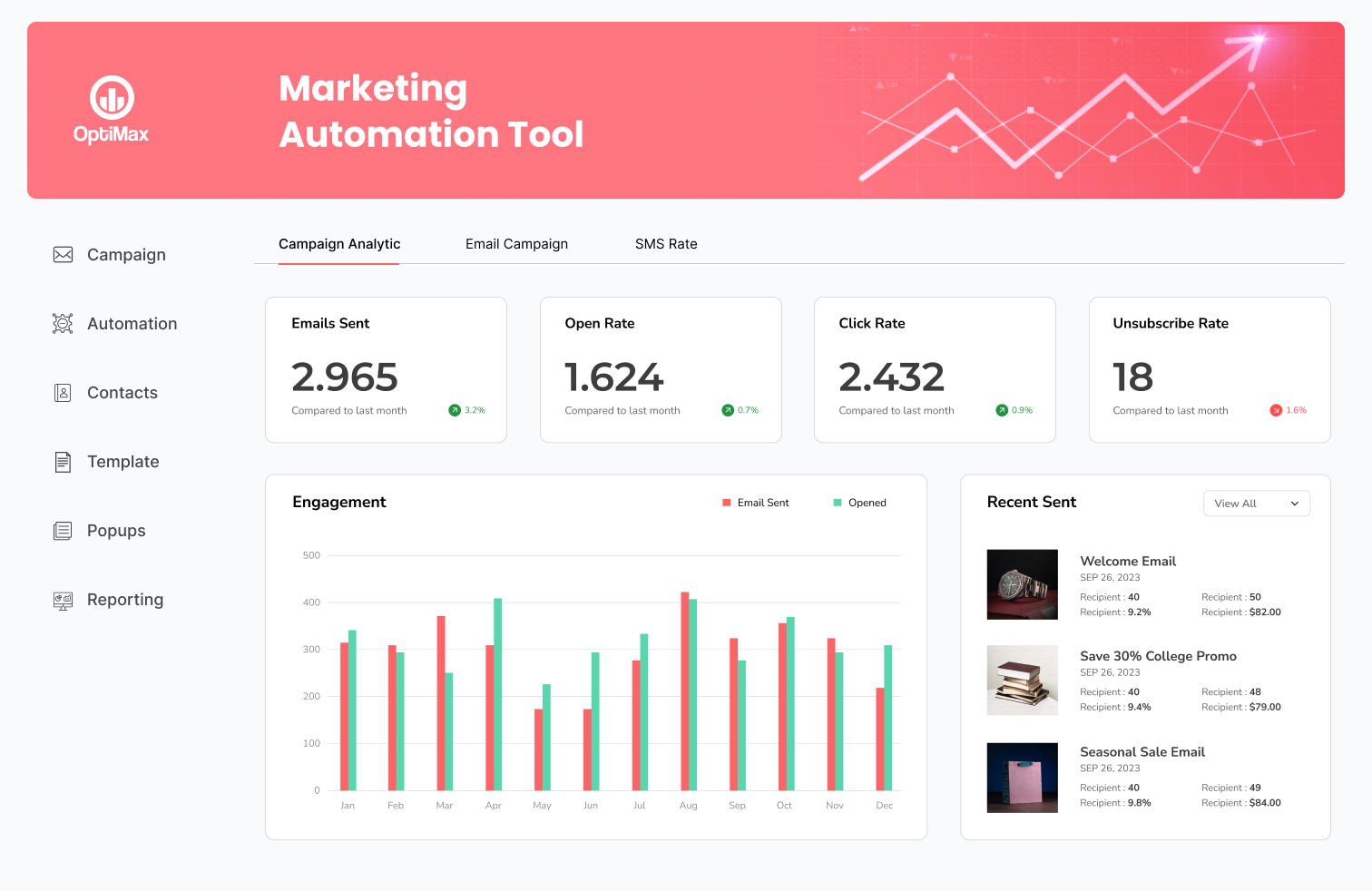
Automate Your Activities using Marketing Automation Tool
Automated Marketing: How Smart Systems Are Revolutionizing Business

Automated Marketing: How Smart Systems Are Revolutionizing Business ...
Marketing Automation For Small Business: Guide & Tools [2021]
![Marketing Automation For Small Business: Guide & Tools [2021]](https://outfunnel.com/wp-content/uploads/2018/12/customerio-marketing-automation-dashboard.png)
Marketing Automation For Small Business: Guide & Tools [2021]
Marketing-Automation-dashboard-for-Sharpspring | CompareCamp.com
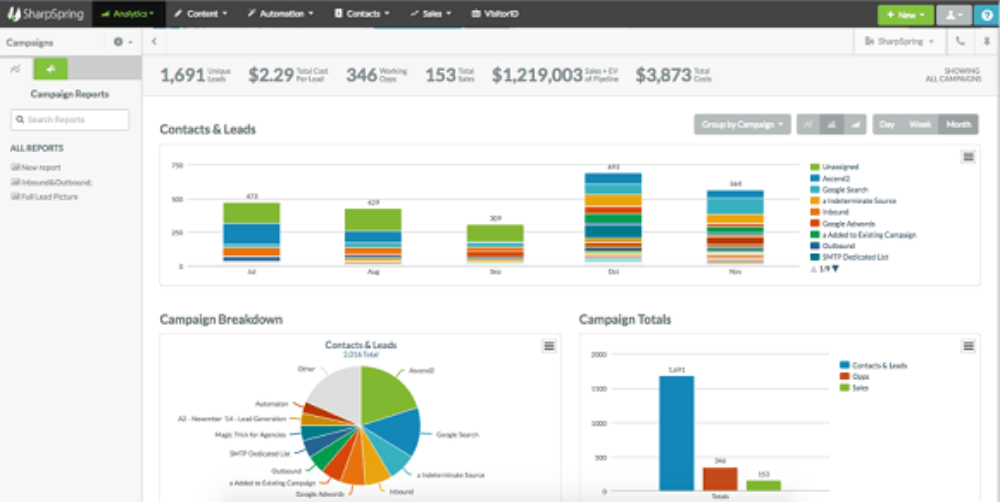
Marketing-Automation-dashboard-for-Sharpspring | CompareCamp.com
How To Implement AI In Marketing: Strategies For Effective AI Marketing

How to Implement AI in Marketing: Strategies for Effective AI Marketing ...